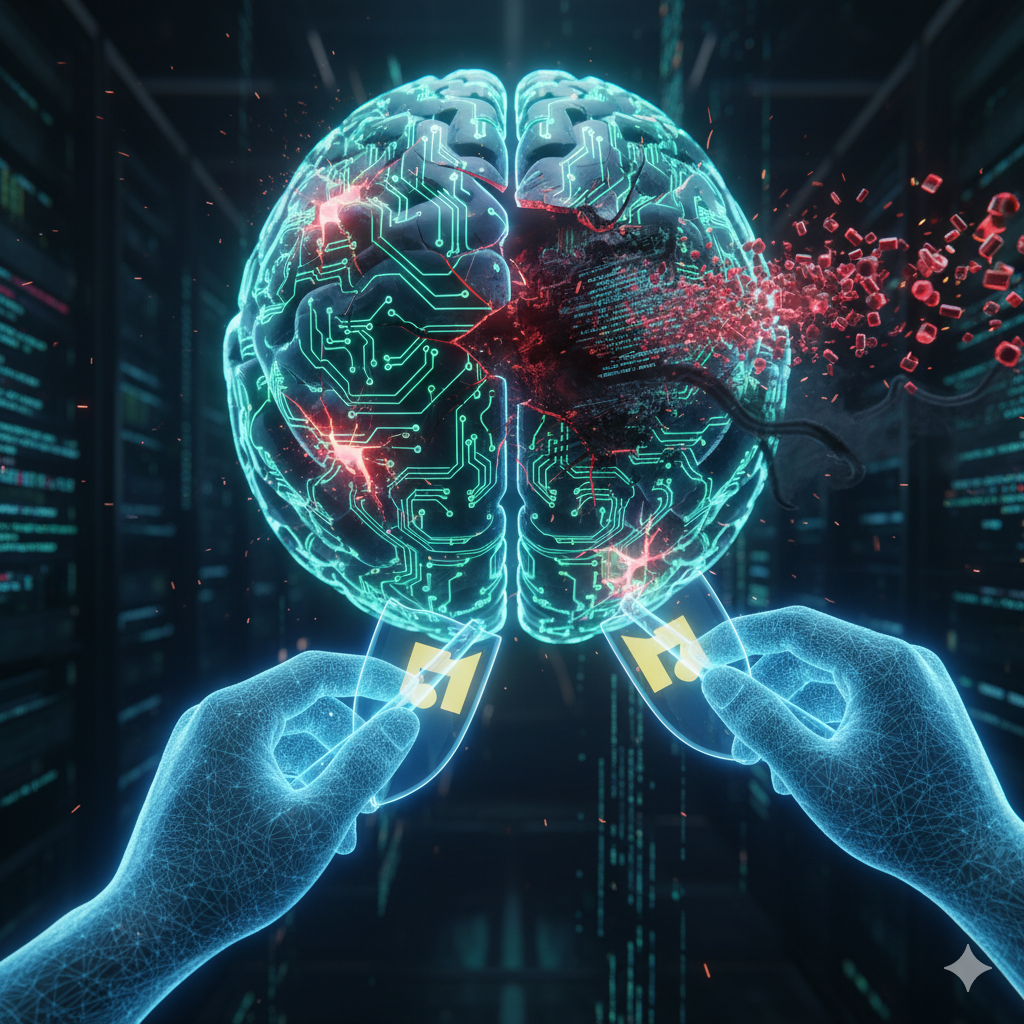
Every organization, regardless of size or industry, relies on digital systems that harbor inherent weaknesses. These weaknesses, known as vulnerabilities, are the cracks attackers exploit. A vulnerability may stem from:
- Software flaws or unpatched systems.
- Misconfigurations in technology or processes.
- Policy gaps or procedural lapses.
- Human error.
In essence, a vulnerability is any condition that could allow a threat to breach confidentiality, compromise integrity, or disrupt availability.
Imagine a financial institution with armored doors and biometric authentication, but an employee props open a side entrance for convenience. That single lapse undermines even the most sophisticated defenses. Similarly, in digital environments, one unpatched server or weak password can compromise the entire system.
Vulnerabilities exist across multiple dimensions:
- Technical: software bugs, unpatched systems, insecure APIs
- Procedural: weak policies, lack of segregation of duties, inadequate change control
- Physical: unprotected server rooms, insufficient surveillance
- Human: susceptibility to social engineering, insider threats
A mature cybersecurity program continuously reduces the attack surface, identifying and remediating vulnerabilities before they can be weaponized.
The Modern Vulnerability Landscape
The rise of cloud computing, mobile devices, IoT, and interconnected systems has exponentially increased potential entry points. Modern attackers, especially those leveraging automation and AI, exploit vulnerabilities at scale.
As of 2025, the MITRE CVE database lists over 250,000 known software vulnerabilities, and the number grows daily. However, not all vulnerabilities are equally dangerous. Effective prioritization depends on:
- Exploitability – How easily can it be weaponized?
- Exposure – How accessible is the vulnerable system?
- Impact Potential – What is the harm if exploited?
Frameworks such as CVSS (Common Vulnerability Scoring System) help quantify these factors. Yet vulnerability management goes beyond patching, requiring asset visibility, threat intelligence, continuous monitoring, and organizational discipline.
Controls: Countermeasures for Reducing Risk
Once vulnerabilities are identified, organizations must manage the associated risks. In cybersecurity, a control is any mechanism or process designed to prevent, detect, or respond to threats. The goal is not to eliminate all risk, but to reduce it to an acceptable level.
Types of controls include:
- Preventive: Block incidents (e.g., firewalls, authentication)
- Deterrent: Discourage attacks (e.g., cameras, warning banners)
- Detective: Identify events (e.g., IDS, log analysis)
- Corrective: Restore systems post-incident (e.g., backups, recovery plans)
- Mitigative: Reduce impact (e.g., network segmentation, least privilege)
- Compensating: Alternative safeguards when preferred controls are infeasible (e.g., monitoring in lieu of encryption)
The Triad of Controls: Physical, Administrative, and Technical
Effective defense relies on layered security, integrating three domains:
- Physical Controls: Protect tangible assets (secure facilities, biometric locks, surveillance, fire suppression).
- Administrative Controls: Policies and procedures governing behavior (training, SOPs, compliance programs, incident response).
- Technical Controls: Hardware/software mechanisms enforcing protection (ACLs, encryption, MFA, intrusion detection).
For example, securing patient data in healthcare may involve:
- Physical safeguards for the data center
- Administrative policies ensuring HIPAA compliance
- Technical controls like encryption, identity management, and anomaly detection
This layered approach ensures failure of a single control does not result in total compromise.
Balancing Control Effectiveness and Cost
Security is a tradeoff between cost and risk. Excessive controls impede productivity and inflate costs, while insufficient controls leave organizations exposed. The key is equilibrium, deploying controls that align with business objectives and risk appetite.
Frameworks like NIST CSF, ISO/IEC 27001, and CIS Controls provide structured methodologies for identifying, implementing, and maintaining controls. The process typically follows a risk management lifecycle:
- Identify assets and vulnerabilities.
- Assess threats and likelihood of exploitation.
- Select feasible, proportionate controls.
- Implement and test effectiveness.
- Continuously monitor and adjust.
From Reactive Defense to Proactive Resilience
The traditional “defend and block” mindset is giving way to resilience-focused strategies. Key modern practices include:
- Zero Trust architectures: Continuous authentication for users, devices, and transactions
- AI-driven anomaly detection: Real-time identification of insider threats or APT activity
- Automated patch management: Reducing human error in secure configuration maintenance
- Threat intelligence integration: Adjusting controls proactively to evolving adversary tactics
Controls are now dynamic, adaptive mechanisms designed to anticipate, absorb, and recover from disruption.
The Strategic View
Vulnerabilities are unavoidable weaknesses; controls are the counterbalances. The objective is not to eliminate all vulnerabilities, but to understand, prioritize, and manage them intelligently, applying the right mix of controls at the right time.
A mature cybersecurity strategy moves beyond protection to sustainable resilience, the ability to operate securely even in the face of inevitable compromise.