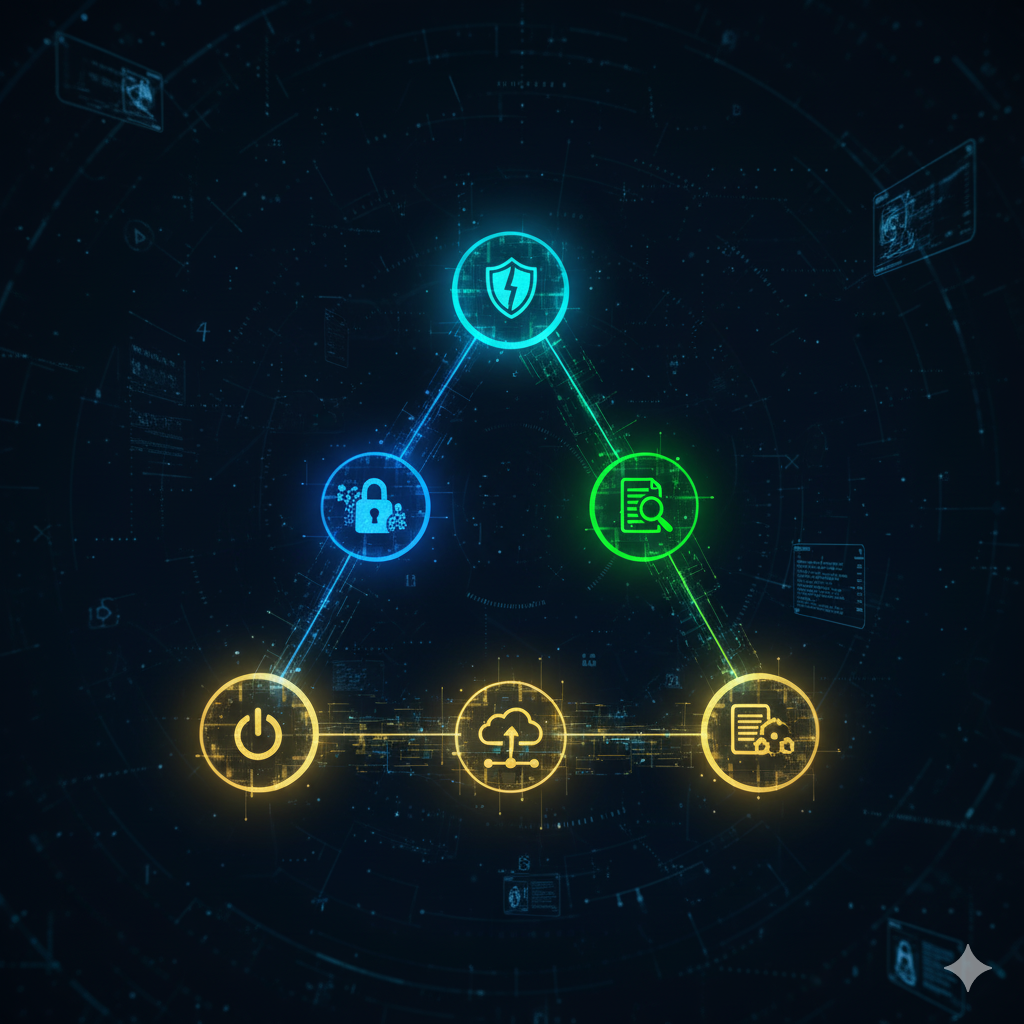
In cybersecurity, a threat represents any potential cause of an unwanted incident that could harm an asset. Threats exploit vulnerabilities to compromise systems, potentially resulting in loss of confidentiality, integrity, or availability, the three foundational principles of security.
Effectively managing threats requires analyzing both what can go wrong and who or what can cause it. This dual perspective allows organizations to design protection strategies that address not only technical weaknesses but also the adversarial, environmental, and organizational conditions that make exploitation possible.
Every computer system, whether a personal laptop, a cloud infrastructure, or an industrial control system, holds inherent value. That value may be:
- Functional: Enabling operational processes.
- Informational: Containing sensitive or critical data.
- Intellectual: Representing proprietary knowledge.
The moment an asset has value, it becomes a potential target, and therefore subject to threats.
The Foundation: Confidentiality, Integrity, and Availability
Threats are best understood through the lens of the C-I-A Triad, the cornerstone of modern information security. Each dimension represents a distinct type of potential harm and collectively defines the essential objectives of any cybersecurity program.
a. Confidentiality
Confidentiality ensures information is accessible only to authorized users. It prevents unauthorized disclosure of sensitive data, whether personal, financial, proprietary, or classified. Breaches can occur intentionally, through cyberattacks like data exfiltration, or unintentionally, through human error or misconfiguration.
Example: If an attacker intercepts private emails or accesses a client database without permission, confidentiality is compromised.
b. Integrity
Integrity ensures information and systems remain accurate, reliable, and unaltered except by authorized individuals or processes. Violations undermine trust in data and can lead to severe operational and reputational consequences.
Example: A hacker modifying financial records, a disgruntled employee altering source code, or malware corrupting system logs are all integrity breaches. In today’s automated and AI-driven environments, compromised integrity can cascade into flawed decision-making and systemic errors.
c. Availability
Availability guarantees that systems, services, and data are accessible when needed by authorized users. Disruptions can halt operations, delay transactions, or paralyze critical services. Common causes include:
- Distributed denial-of-service (DDoS) attacks
- Ransomware encrypting critical files
- Physical failures, such as power loss or hardware malfunction
In industries like healthcare, aviation, and finance, maintaining availability is essential, not just for operational efficiency but for safety, compliance, and trust.
Together, these three principles define both the value of an information system and the types of harm that threats can inflict. When any element of the triad is compromised, the system’s overall trustworthiness and organizational confidence diminish.
Small Use Case: Protecting a Mid-Sized Financial Institution from Threats
A regional bank managing online banking platforms, payment systems, and customer records faces multiple cyber threats, ranging from phishing campaigns targeting employees to ransomware attacks aimed at critical transaction servers.
Approach:
- Asset Identification: Cataloging sensitive databases, payment platforms, and endpoint devices.
- Threat Analysis: Recognizing risks such as cybercriminals, insider errors, and environmental hazards.
- C-I-A Assessment: Evaluating potential impacts to confidentiality (customer PII), integrity (transaction accuracy), and availability (online banking uptime).
- Control Implementation:
- Multi-factor authentication for all users
- Continuous monitoring and intrusion detection
- Regular patch management and system hardening
- Employee awareness training for phishing and social engineering
- Outcome: Within six months, the institution experienced a 70% reduction in phishing incidents, maintained uninterrupted online services, and ensured transaction accuracy, enhancing both compliance and customer trust.