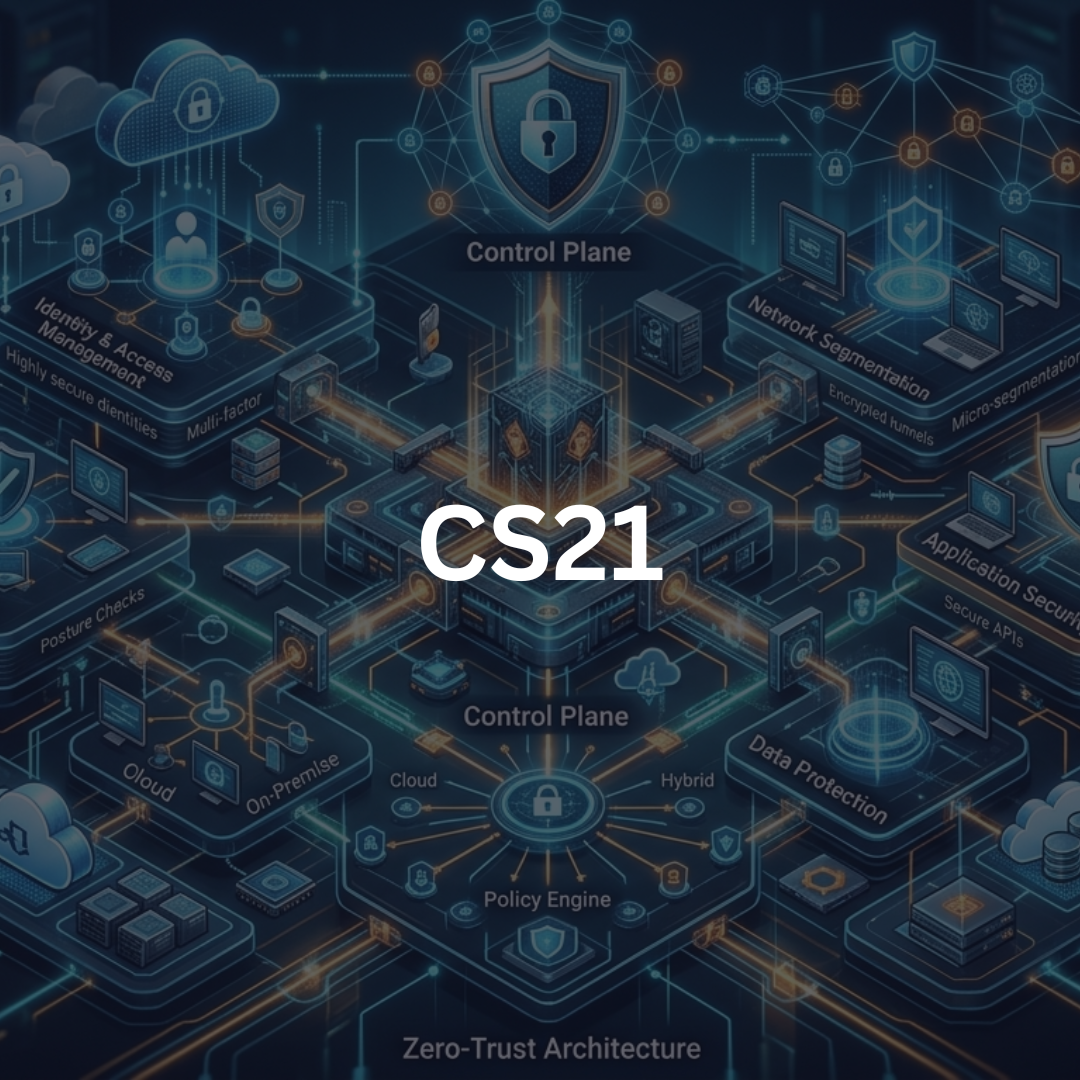
Modern enterprise systems are no longer simple collections of servers and applications protected by a strong perimeter. They are highly distributed, interconnected ecosystems that span on-premises infrastructure, cloud platforms, third-party services, mobile users, and automated workloads. In this context, security failures rarely occur because organizations lack controls; rather, they occur because controls are misaligned with real threats, business priorities, and system behavior.
Threat modeling is the discipline that addresses this gap. It is a structured, analytical approach to identifying, prioritizing, and mitigating security threats before they are exploited. Within enterprise security architecture, threat modeling is not a one-time exercise but a continuous capability that informs design decisions, risk management, and Zero Trust implementation.
Unlike purely technical vulnerability scanning, threat modeling forces architects and security professionals to think like adversaries while remaining grounded in business reality. It connects what the organization values, how systems are built, and how attackers operate, making it one of the most powerful tools in enterprise cybersecurity.
Threat Modeling in Enterprise Security Architecture
Enterprise security architecture frameworks, such as SABSA, emphasize that security controls must be traceable to business objectives and risks. Threat modeling provides this traceability by linking business impact to technical attack paths.
In enterprise contexts, threat modeling:
-
Guides architectural decisions early in system design
-
Reduces costly redesigns and security retrofitting
-
Improves communication between business, IT, and security teams
-
Supports compliance and audit readiness
-
Enables proactive, rather than reactive, security posture
From a Zero Trust Architecture (NIST SP 800-207) perspective, threat modeling helps identify where implicit trust exists and how it can be systematically eliminated.
Core Concepts and Terminology
To build a strong foundation, it is important to clarify key threat modeling concepts as they apply to enterprise systems.
-
Asset: Anything of value to the organization, such as data, services, intellectual property, or operational capability.
-
Threat: A potential cause of an unwanted incident, such as a malicious actor, insider misuse, or system failure.
-
Vulnerability: A weakness that can be exploited by a threat.
-
Attack Vector: The path or method an attacker uses to exploit a vulnerability.
-
Risk: The combination of likelihood and impact resulting from a successful threat.
-
Control: A safeguard designed to reduce risk.
Threat modeling is fundamentally about understanding relationships between these elements rather than examining them in isolation.
Why Enterprise Threat Modeling Is Different
Threat modeling at the enterprise level differs significantly from application-only threat modeling. Enterprise systems are characterized by scale, complexity, and interdependence.
Key distinguishing factors include:
-
Multiple trust zones and identity domains
-
Complex data flows across organizational boundaries
-
Diverse threat actors (nation-states, insiders, cybercriminals)
-
Regulatory and compliance obligations
-
Long system lifecycles and legacy components
The Cloud Security Handbook (O’Reilly) highlights that cloud-native architectures further complicate threat modeling due to elasticity, automation, and shared responsibility models.
Threat Modeling and Zero Trust Design
Zero Trust fundamentally assumes that no entity—user, device, workload, or network—is inherently trusted. Threat modeling is essential to operationalizing this philosophy.
Within Zero Trust design, threat modeling helps:
-
Identify trust assumptions embedded in architectures
-
Expose implicit dependencies between systems
-
Define granular access policies
-
Prioritize micro-segmentation strategies
-
Validate continuous verification mechanisms
By mapping threats to trust boundaries, architects can design systems that expect compromise and limit its impact, rather than attempting to prevent all breaches.
Threat Modeling Methodologies in Enterprise Contexts
Several structured methodologies are commonly used in enterprise environments. Each provides a different analytical lens.
- STRIDE (Threat-Focused Perspective)
STRIDE categorizes threats into six classes:
-
Spoofing
-
Tampering
-
Repudiation
-
Information disclosure
-
Denial of service
-
Elevation of privilege
In enterprises, STRIDE is useful for systematically identifying technical threats across complex architectures, particularly when combined with data flow diagrams.
- Attack Surface Analysis
Enterprise threat modeling often begins with understanding the attack surface, which includes:
-
Externally exposed services
-
APIs and integrations
-
Identity providers
-
Administrative interfaces
-
Supply chain dependencies
Reducing attack surface is a foundational Zero Trust objective.
- SABSA-Oriented Threat Modeling
Within SABSA, threat modeling is directly linked to business attributes such as confidentiality, integrity, availability, and accountability. This ensures that technical threats are evaluated in terms of business risk, not just technical severity.
Mapping Threats to Enterprise Architecture Layers
Effective threat modeling examines systems across architectural layers.
- Business Layer
At this level, threats are assessed in terms of:
-
Financial loss
-
Reputational damage
-
Regulatory penalties
-
Operational disruption
This aligns closely with COBIT 2019, which emphasizes risk optimization and value protection.
- Logical and Application Layer
Threats here include:
-
Authentication and authorization failures
-
Insecure APIs
-
Excessive privileges
-
Inadequate logging and monitoring
- Infrastructure and Network Layer
This layer focuses on:
-
Lateral movement risks
-
Misconfigured network controls
-
Insecure cloud configurations
-
Weak segmentation boundaries
Micro-segmentation and Zero Trust controls are directly informed by threats identified at this layer.
Threat Actors in Enterprise Systems
Threat modeling must consider who the adversary is, as this shapes both likelihood and impact.
Common enterprise threat actors include:
-
External attackers (cybercriminals, nation-states)
-
Malicious insiders
-
Negligent or compromised users
-
Third-party vendors
-
Automated threats and malware
Understanding attacker motivation, capability, and intent is critical for realistic threat prioritization.
Threat Modeling and Governance Frameworks
Threat modeling is not an isolated technical activity; it is deeply connected to governance and compliance.
ISO/IEC 27001:2022 Alignment
Threat modeling supports:
-
Risk assessment requirements
-
Secure system design principles
-
Continuous improvement of controls
COBIT 2019 Alignment
From a COBIT perspective, threat modeling enables:
-
Informed decision-making
-
Alignment between IT risk and business objectives
-
Measurable security outcomes
Threat Modeling in Cloud and Hybrid Enterprises
Cloud environments introduce unique threat considerations:
-
Shared responsibility ambiguities
-
Over-permissioned identities
-
Insecure service integrations
-
API abuse
-
Misconfigured storage and networking
Threat modeling helps enterprises clarify responsibility boundaries and design controls that are cloud-native and identity-centric, rather than relying on legacy perimeter assumptions.
Operationalizing Threat Modeling
For threat modeling to succeed at scale, it must be embedded into enterprise processes.
Effective practices include:
-
Integrating threat modeling into architecture reviews
-
Embedding it into DevSecOps pipelines
-
Maintaining living threat models
-
Using threat modeling outputs to guide control selection
-
Regularly revisiting models as systems evolve
Threat modeling is most effective when treated as a continuous discipline, not a one-time deliverable.
Common Pitfalls and Misconceptions
Organizations often struggle with threat modeling due to:
-
Treating it as purely technical
-
Overcomplicating models
-
Ignoring business context
-
Failing to update models over time
-
Viewing it as a compliance exercise
Successful enterprises focus on clarity, relevance, and actionability rather than exhaustive documentation.
Educational Perspective: Learning Threat Modeling as a Core Skill
For students and aspiring professionals, threat modeling develops essential competencies:
-
Analytical thinking
-
Adversarial mindset
-
System-level understanding
-
Risk-based decision-making
-
Cross-disciplinary communication
These skills are foundational for roles such as:
-
Enterprise security architect
-
Cloud security engineer
-
Zero Trust architect
-
Risk and governance specialist
Threat Modeling as the Backbone of Enterprise Security Design
Threat modeling is the intellectual backbone of enterprise security architecture. It transforms security from a reactive collection of controls into a deliberate, risk-driven design discipline. When aligned with SABSA, informed by Zero Trust principles (NIST SP 800-207), governed through COBIT 2019, and operationalized under ISO/IEC 27001:2022, threat modeling becomes a strategic enabler of resilient, adaptive, and trustworthy enterprise systems.
Rather than asking, “What controls should we deploy?”, threat modeling encourages a more powerful question:
“What could realistically go wrong, and how do we design systems that can withstand it?”